
 + 86 18721624519

ವಿವಿಧ ರೀತಿಯ ದ್ಯುತಿವಿದ್ಯುಜ್ಜನಕ ಯೋಜನೆಗಳಿಗೆ ಮರುಪಾವತಿ ಅವಧಿಗಳು
Ⅰ . ಮರುಪಾವತಿ ಅವಧಿ ಎಂದರೇನು? ಅದು ಏಕೆ ಮುಖ್ಯ?
ಮರುಪಾವತಿ ಅವಧಿಯು ದ್ಯುತಿವಿದ್ಯುಜ್ಜನಕ ಯೋಜನೆಯು ಇಂಧನ ಉಳಿತಾಯ, ವಿದ್ಯುತ್ ಮಾರಾಟ ಅಥವಾ ಸಬ್ಸಿಡಿಗಳಿಂದ ಸಂಗ್ರಹವಾದ ನಗದು ಹರಿವಿನ ಮೂಲಕ ತನ್ನ ಆರಂಭಿಕ ಹೂಡಿಕೆಯನ್ನು ಮರುಪಡೆಯಲು ಅಗತ್ಯವಿರುವ ಸಮಯವನ್ನು ಸೂಚಿಸುತ್ತದೆ. ಸೂತ್ರವು ಸಾಮಾನ್ಯವಾಗಿ:
Payback Period = Initial Investment Cost ÷ Annual Average Net Cash Flow (Energy Savings + Electricity Sales + Subsidies - Operational Costs)
ಈ ಮೆಟ್ರಿಕ್ ಹೂಡಿಕೆ ಚೇತರಿಕೆಯ ವೇಗವನ್ನು ಅಳೆಯುತ್ತದೆ; ಮರುಪಾವತಿ ವೇಗವಾದಷ್ಟೂ, ಅಪಾಯ ಕಡಿಮೆ ಇರುತ್ತದೆ ಮತ್ತು ಬಂಡವಾಳಕ್ಕೆ ಅದು ಹೆಚ್ಚು ಆಕರ್ಷಕವಾಗಿರುತ್ತದೆ.
Ⅱ . ವಿವಿಧ ರೀತಿಯ ದ್ಯುತಿವಿದ್ಯುಜ್ಜನಕ ಯೋಜನೆಗಳು ಮತ್ತು ಅವುಗಳ ವಿಶಿಷ್ಟ ಮರುಪಾವತಿ ಅವಧಿಗಳು
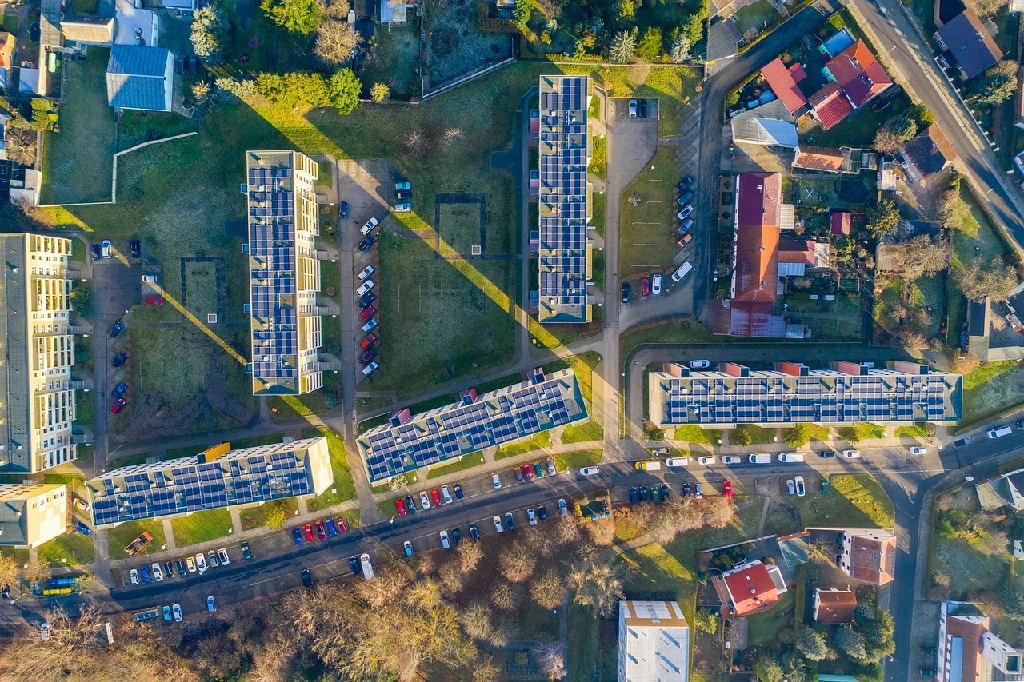
- ವಸತಿ ಛಾವಣಿಯ PV
In residential settings in the United States, Europe, the Middle East, etc.: The average payback period is 6-10 years. In areas with high electricity prices, rapid electricity price increases, or tax/subsidy incentives, the payback period can be shorter.
In China: The annual return on investment is approximately 8-10%, with a typical payback period of 6-8 years.
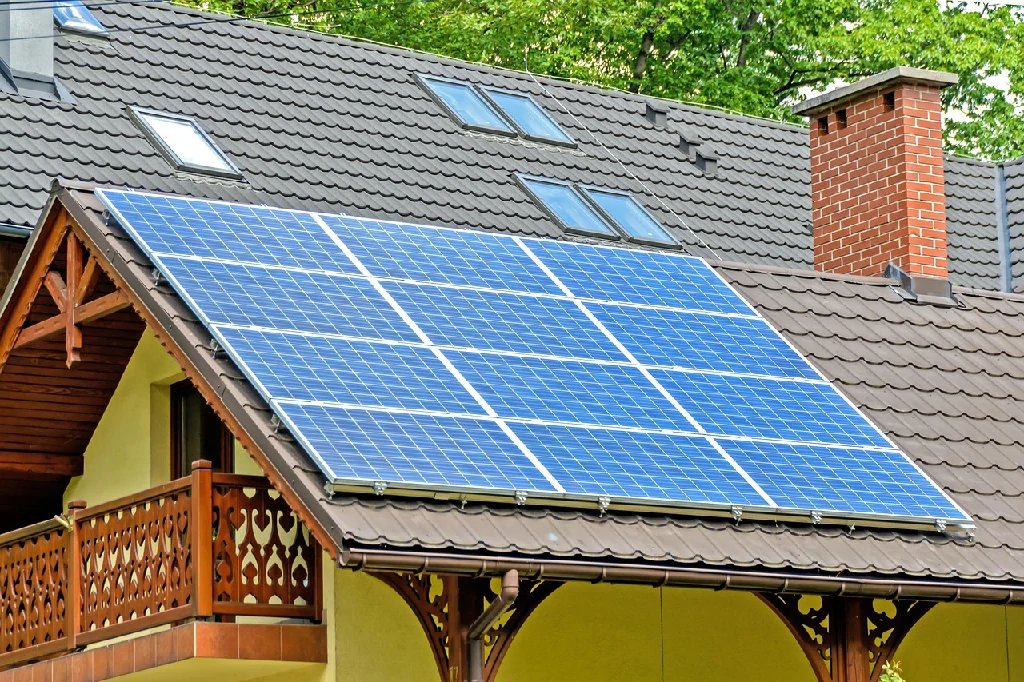
- ವಾಣಿಜ್ಯ ಮತ್ತು ಕೈಗಾರಿಕಾ ಛಾವಣಿಯ ಪಿವಿ
Globally, for business users, especially under peak electricity rates or tiered pricing, commercial projects can achieve annual returns of 10-15%, with typical payback periods of around 5 years.
In regions like California, business projects typically achieve payback in 3-5 years, while non-profit organisations may take slightly longer at 4-7 years.
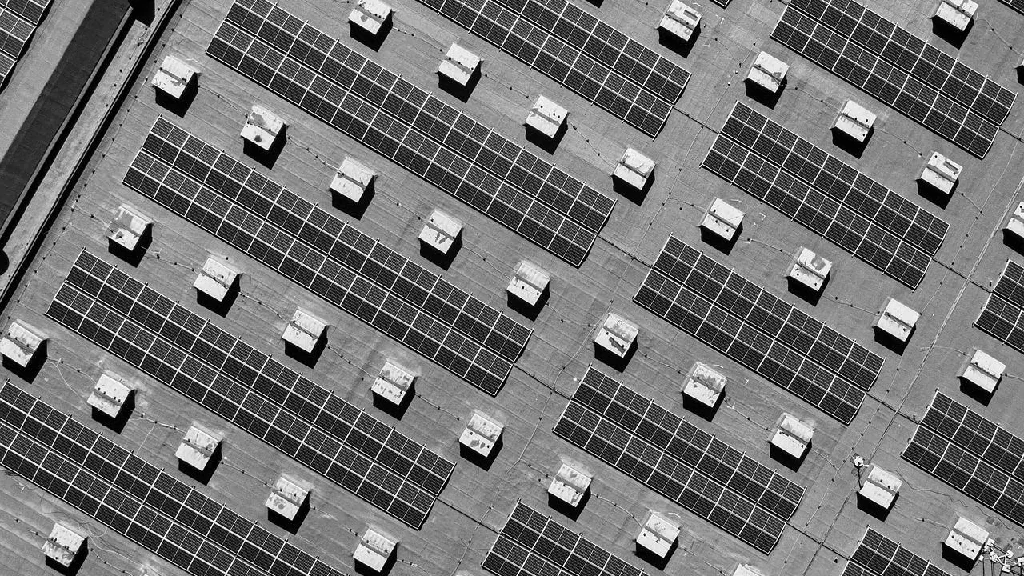
- ಉಪಯುಕ್ತತಾ ಪ್ರಮಾಣದ PV ಫಾರ್ಮ್ಗಳು
Globally, mainstream utility-scale projects, especially in resource-rich countries (China, India, the United States, the Middle East, Africa, etc.), achieve annualised returns of 6-10%, with a typical payback period of 6-10 years.
In regions with poorer solar resources and reduced subsidies, such as the United Kingdom, utility-scale projects may have extended payback periods of 10-12 years.
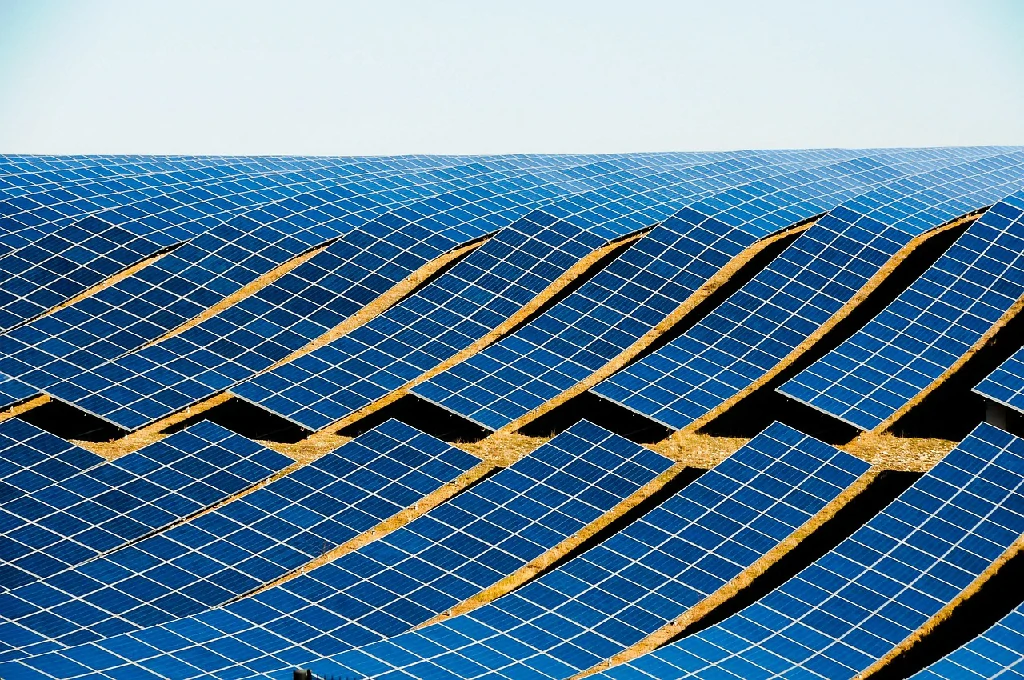
- ಸಮುದಾಯ ಸೌರ
Community-shared solar projects allow multiple parties to invest and share profits, with payback periods varying significantly, typically ranging from 6-20 years. Local electricity prices, subsidies, and participation agreements all influence this period.
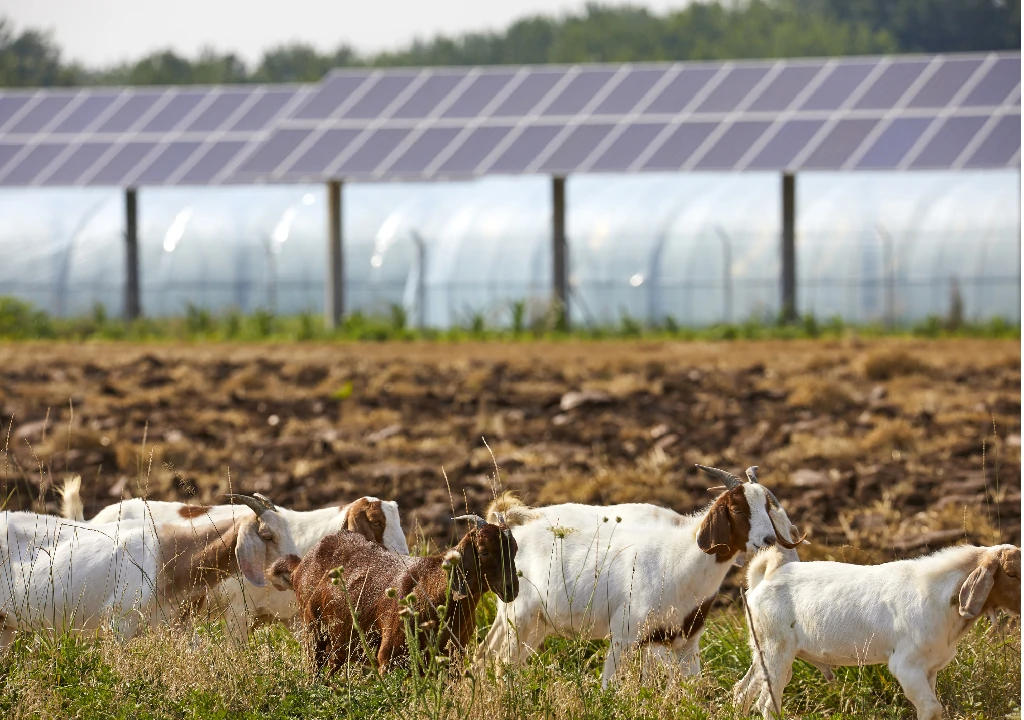
- ಅಗ್ರಿವೋಲ್ಟಾಯಿಕ್ಸ್
Systems combining agriculture and solar power, enabling farmers to benefit from both crop cultivation and electricity generation. The payback period is generally shorter, typically 4-8 years, with some cases even faster.
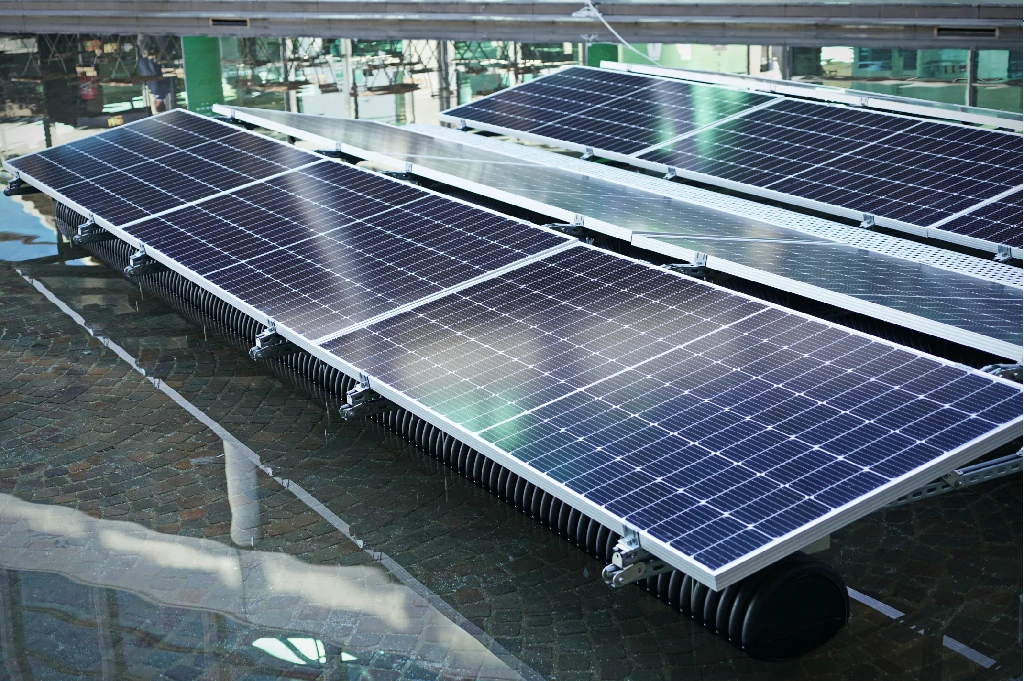
- ತೇಲುವ ಪಿವಿ
ನೀರಿನ ಮೇಲ್ಮೈಗಳಲ್ಲಿ ಸ್ಥಾಪಿಸಲಾದ ಪಿವಿ ವ್ಯವಸ್ಥೆಗಳು ತಂಪಾಗಿಸುವ ಪರಿಣಾಮಗಳಿಂದ ಪ್ರಯೋಜನ ಪಡೆಯುತ್ತವೆ ಮತ್ತು ಕಡಿಮೆ ಭೂ ವೆಚ್ಚಗಳಿಂದ ಪ್ರಯೋಜನ ಪಡೆಯುತ್ತವೆ, ಇದರ ಪರಿಣಾಮವಾಗಿ ಸುಮಾರು 1.3 ವರ್ಷಗಳ ಇಂಧನ ಮರುಪಾವತಿ ಅವಧಿ (ಶಕ್ತಿ ಹೂಡಿಕೆ ದೃಷ್ಟಿಕೋನದಿಂದ, ಹಣಕಾಸಿನ ದೃಷ್ಟಿಕೋನದಿಂದ ಅಲ್ಲ). ನಿಜವಾದ ಆರ್ಥಿಕ ಮರುಪಾವತಿ ಅವಧಿಯು ಸಾಮಾನ್ಯವಾಗಿ 3 ರಿಂದ 5 ವರ್ಷಗಳವರೆಗೆ ಇರುತ್ತದೆ.
Ⅲ . ಮರುಪಾವತಿ ಅವಧಿಯ ಮೇಲೆ ಪರಿಣಾಮ ಬೀರುವ ಪ್ರಮುಖ ಅಂಶಗಳು
- ಭೌಗೋಳಿಕ ಮತ್ತು ಸೌರ ಪರಿಸ್ಥಿತಿಗಳು
ಹೇರಳವಾದ ಸೌರ ಸಂಪನ್ಮೂಲಗಳನ್ನು ಹೊಂದಿರುವ ಪ್ರದೇಶಗಳು (ಮಧ್ಯಪ್ರಾಚ್ಯ, ದಕ್ಷಿಣ ಏಷ್ಯಾ, ಆಫ್ರಿಕಾ ಮತ್ತು ದಕ್ಷಿಣ ಯುರೋಪ್ನಂತಹವು) ಹೆಚ್ಚಿನ ವಾರ್ಷಿಕ ವಿದ್ಯುತ್ ಉತ್ಪಾದನೆಯನ್ನು ಹೊಂದಿವೆ, ಇದರಿಂದಾಗಿ ಕಡಿಮೆ ಮರುಪಾವತಿ ಅವಧಿಗಳು ಕಂಡುಬರುತ್ತವೆ. ಉತ್ತರ ಯುರೋಪ್ ದೀರ್ಘ ಮರುಪಾವತಿ ಅವಧಿಗಳನ್ನು ಹೊಂದಿದೆ.
- ವಿದ್ಯುತ್ ಬೆಲೆಗಳು ಮತ್ತು ಸಬ್ಸಿಡಿ ನೀತಿಗಳು
ಹೆಚ್ಚಿನ ವಿದ್ಯುತ್ ಬೆಲೆಗಳು ಮತ್ತು ಹೇರಳವಾದ ಸಬ್ಸಿಡಿಗಳನ್ನು (ಫೀಡ್-ಇನ್ ಸುಂಕಗಳು ಮತ್ತು ತೆರಿಗೆ ಕ್ರೆಡಿಟ್ಗಳಂತಹವು) ಹೊಂದಿರುವ ಪ್ರದೇಶಗಳು ವೇಗವಾಗಿ ಮರುಪಾವತಿಯನ್ನು ಸಾಧಿಸುತ್ತವೆ; ಕಡಿಮೆ ಸಬ್ಸಿಡಿಗಳು ಮತ್ತು ಕಡಿಮೆ ವಿದ್ಯುತ್ ಬೆಲೆಗಳನ್ನು ಹೊಂದಿರುವ ದೇಶಗಳಲ್ಲಿ, ಮರುಪಾವತಿ ನಿಧಾನವಾಗಿರುತ್ತದೆ.
- ವ್ಯವಸ್ಥೆಯ ಪ್ರಮಾಣ ಮತ್ತು ಯೋಜನೆಯ ಪ್ರಕಾರ
Small-scale distributed systems offer flexible and rapid returns; however, large-scale centralised projects, despite higher total costs, have lower cost per kilowatt-hour and stable revenue streams, enabling the overall payback period to be controlled within 6-10 years.
- ಶಕ್ತಿ ಸಂಗ್ರಹಣಾ ವ್ಯವಸ್ಥೆಗಳೊಂದಿಗೆ (ದ್ಯುತಿವಿದ್ಯುಜ್ಜನಕ-ಸಂಗ್ರಹಣೆ) ಸಜ್ಜುಗೊಂಡಿದೆಯೇ?
Photovoltaic-storage systems increase self-consumption rates but raise initial investment costs. For example, in China's residential photovoltaic-storage cases, the payback period is approximately 6 years; factors such as technological costs and local electricity price tier structures also influence the cycle.
- ಕಾರ್ಯಾಚರಣೆಗಳು ಮತ್ತು ನಿರ್ವಹಣಾ ವೆಚ್ಚಗಳು ಮತ್ತು ವ್ಯವಸ್ಥೆಯ ಅವನತಿ
As panel components age and operations and maintenance costs increase, actual cash flow is slightly lower than theoretical models. Therefore, it is recommended to reserve a 10-15% depreciation margin.
Ⅳ ಜಾಗತಿಕ ದೃಷ್ಟಿಕೋನದಿಂದ ವಿಶಿಷ್ಟ ಪ್ರಕಾರಗಳ ಹೋಲಿಕೆ ಕೋಷ್ಟಕ.
| ಪ್ರಾಜೆಕ್ಟ್ ಪ್ರಕಾರ | ವಾರ್ಷಿಕ ಇಳುವರಿ (ಅಂದಾಜು) | ಸಾಮಾನ್ಯ ಮರುಪಾವತಿ ಅವಧಿ (ವರ್ಷಗಳು) | ಪ್ರಾದೇಶಿಕ ಸೆಟ್ಟಿಂಗ್ಗಳ ಉದಾಹರಣೆಗಳು |
| ವಸತಿ ವಿತರಣಾ ಪಿವಿ | ~8-10% | 6-8 / 6-10 | ಚೀನಾ, ಯುನೈಟೆಡ್ ಸ್ಟೇಟ್ಸ್, ಯುನೈಟೆಡ್ ಕಿಂಗ್ಡಮ್, ಮಧ್ಯಪ್ರಾಚ್ಯ, ಇತ್ಯಾದಿ. |
| ವಾಣಿಜ್ಯ/ಕೈಗಾರಿಕಾ ವಿತರಣೆ ಪಿವಿ | ~10-15% | ~5 | ಕಾರ್ಪೊರೇಟ್ ಮೇಲ್ಛಾವಣಿಗಳು, ಶಾಪಿಂಗ್ ಮಾಲ್ಗಳು, ಆಸ್ಪತ್ರೆಗಳು, ಇತ್ಯಾದಿ. |
| ಯುಟಿಲಿಟಿ-ಸ್ಕೇಲ್ ಗ್ರೌಂಡ್-ಮೌಂಟೆಡ್ ಪಿವಿ | ~6-10% | 6-10 / 10-12 | ಚೀನಾ, ಭಾರತ, ಯುನೈಟೆಡ್ ಕಿಂಗ್ಡಮ್, ಆಫ್ರಿಕಾ, ಯುನೈಟೆಡ್ ಸ್ಟೇಟ್ಸ್, ಇತ್ಯಾದಿ. |
| ಸಮುದಾಯ ಪಿವಿ | ವೇರಿಯಬಲ್ | 6-20 | ಉತ್ತರ ಅಮೆರಿಕ, ಯುರೋಪ್, ಅಭಿವೃದ್ಧಿಶೀಲ ರಾಷ್ಟ್ರಗಳು, ಇತ್ಯಾದಿ. |
| ಅಗ್ರಿವೋಲ್ಟಾಯಿಕ್ | ಏಕಕಾಲಿಕ ಕೃಷಿ ಮತ್ತು ವಿದ್ಯುತ್ ಉತ್ಪಾದನೆಯ ಆದಾಯ | 4-8 | ಚೀನಾ, ಜಪಾನ್, ಯುರೋಪ್, ಇತ್ಯಾದಿ. ಕೃಷಿ ಸೌರ ಏಕೀಕರಣ ಯೋಜನೆಗಳು |
| ತೇಲುವ ಪಿವಿ | ಹೆಚ್ಚಿನ ದಕ್ಷತೆ, ಭೂ ಉಳಿತಾಯ, ಸ್ಥಳ ಉಳಿತಾಯ | Energy payback ~1.3 years; economic payback approx. 3-5 | ಹೇರಳವಾದ ಸರೋವರ, ಜಲಾಶಯ ಮತ್ತು ನೀರಿನ ಮೇಲ್ಮೈ ಸಂಪನ್ಮೂಲಗಳನ್ನು ಹೊಂದಿರುವ ದೇಶಗಳು |
ಕೊನೆಯದಾಗಿ ನವೀಕರಿಸಿದ್ದು 2025-08-05 ರಂದು